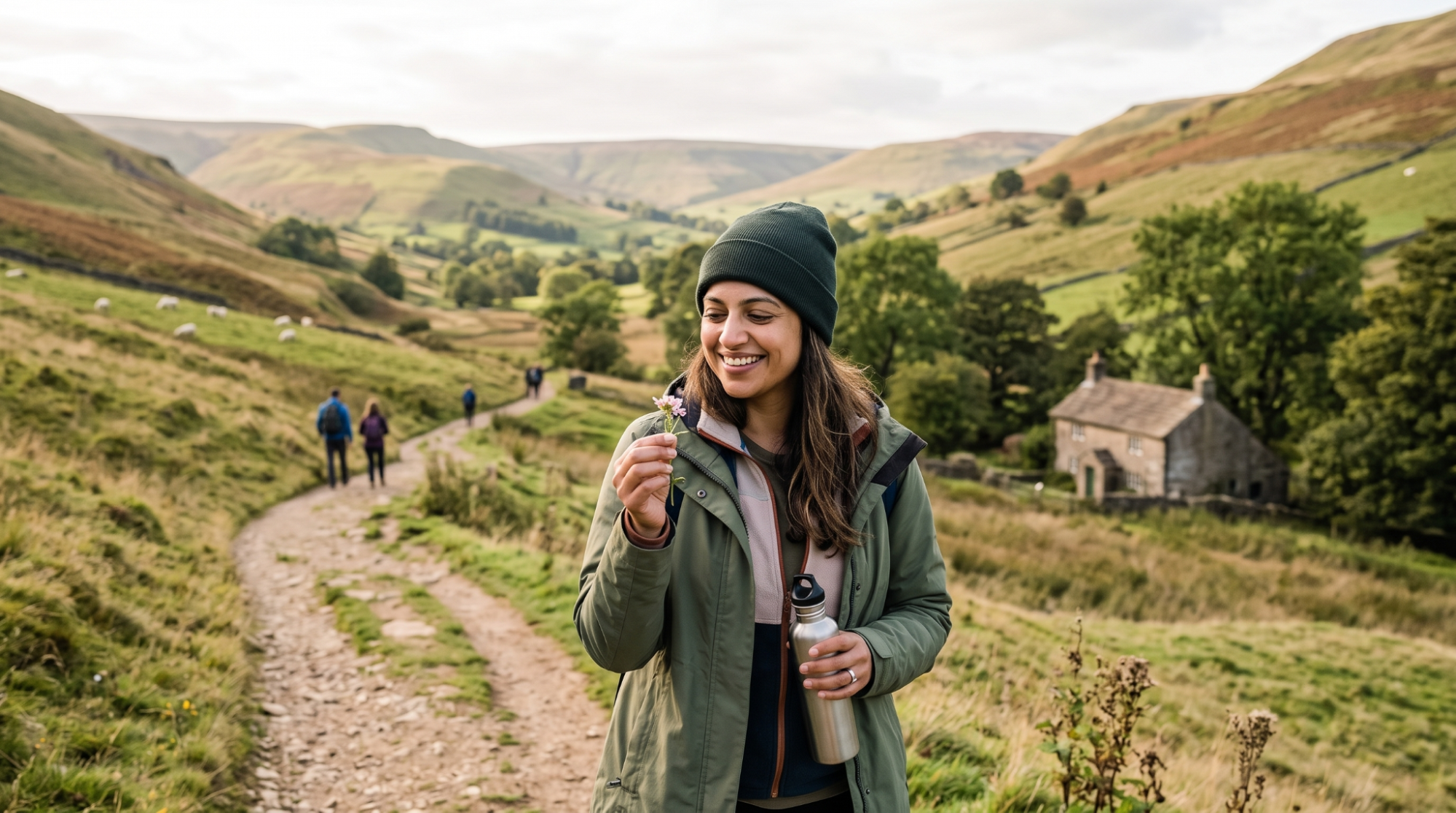
Spending time outside does far more than just clear your head. Even on a cloudy day in Britain, being outdoors can calm a busy thought process and ease your worries. Stress from work and excessive screen time can be exhausting, but the reset you need is often just outside your door.
According to the Mental Health Foundation, nearly half (45%) of adults in the UK find that going to green spaces helps them deal with stress and feeling down. Nature is not a luxury; it is one of the easiest methods to improve your mental well-being.
Let’s explore six simple ways to tap into those benefits.
How Does Outdoor Space Boost Mental Health?
Outdoor spaces could be anything from a back garden, a nearby park, a beach in Hampshire, or a cosy garden shed sanctuary. Your body reacts to these places in much the same way. Your heart rate will decrease, and levels of cortisol, a stress hormone, will drop shortly after you go outside. The sound of birds singing, the feel of wet grass, and a gentle breeze can help change your focus away from worries and bring you into the here and now.
In fact, a 2026 Nature report found that people who spend at least 120 minutes a week in nature feel healthier and more joyful than those who don’t spend any time there. The following suggestions can help you make this a regular part of your routine.
Practical Ways to Boost Mental Health
Here are six practical ways outdoor spaces support your mental well-being:
1. Start Mornings With Natural Light
Spending ten minutes outdoors after waking helps set your circadian rhythm and improve your mood before your day gets hectic. Morning light on a cloudy day in Britain is bright enough to help with this. You can enjoy the same benefits by having a cup of tea or coffee on your doorstep. Try to avoid looking at your phone for the first few minutes of your day.
2. Take Slow Mindful Nature Walks
When you take a walk without a particular destination in mind, it can help clear your mind and bring you peace. Notice the crunch of gravel beneath your feet, the shifting shapes of the clouds above, or the crisp scent of rain on dry pavement (petrichor). These are familiar experiences you might find in Britain. A short and relaxing walk in a nearby park can help reduce your stress more than using a treadmill indoors.
3. Get Your Hands Into Gardening
Gardening activities like digging, planting, and weeding help you concentrate on simple physical actions. This is often better at calming a busy mind than many relaxation apps. Touching the soil can even boost your mood slightly because microscopic soil bacteria (Mycobacterium vaccae) have been shown to stimulate serotonin production. If you do not have a garden, a window box with herbs will work just as well. Having a calmer mind is worth a little bit of dirt on your knees.
4. Build A Calm Garden Retreat
Having a cosy place just outside your back door can help you unwind and enjoy some peace away from everyday tasks and distractions. A small and sturdy shelter can transform your garden into a lovely getaway, making it feel like a true retreat. To help you design the perfect sanctuary, we have gathered insights from landscaping experts on the essential features of a peaceful outdoor haven.
Craftsmen like Elfords focus on key details that turn a simple structure into a true haven, from orienting the building to capture natural light to utilising quality timber that stays warm and dry year-round. Thinking through these design choices early ensures your summer house or garden room becomes an inviting space for reading, yoga, or a quiet morning coffee.
5. Spend Time Near Water Spaces
Being near water, such as rivers, lakes, or the ocean, offers a special kind of peace that gardens alone cannot quite provide. This is sometimes called “blue space” in studies about health and happiness. The sight and sound of moving water naturally helps you to breathe more slowly, and wide-open views let your mind relax. For a visual illustration, explore this guide that shows how water supports mental health through the restorative power of rivers, lakes, and coastal blue spaces.
6. Unplug During Outdoor Weekend Breaks
Weekends offer a natural opportunity to spend more time outdoors and step away from weekday pressure. When you leave your phone inside during a walk in the country or while gardening, you can focus on things like birds singing, breathing fresh air, and simply relaxing. This kind of break really helps your mind rest and recover.
Conclusion
Spending time outdoors can help you feel calmer, whether you are enjoying morning light or relaxing in a private garden. You can easily try one of these six simple methods without a huge commitment; just step outside a little more often. Choose one approach to start with this week, pay attention to how you feel, and build outdoor time into your regular routine. For more insights, contact us at Abbey Watkins now.