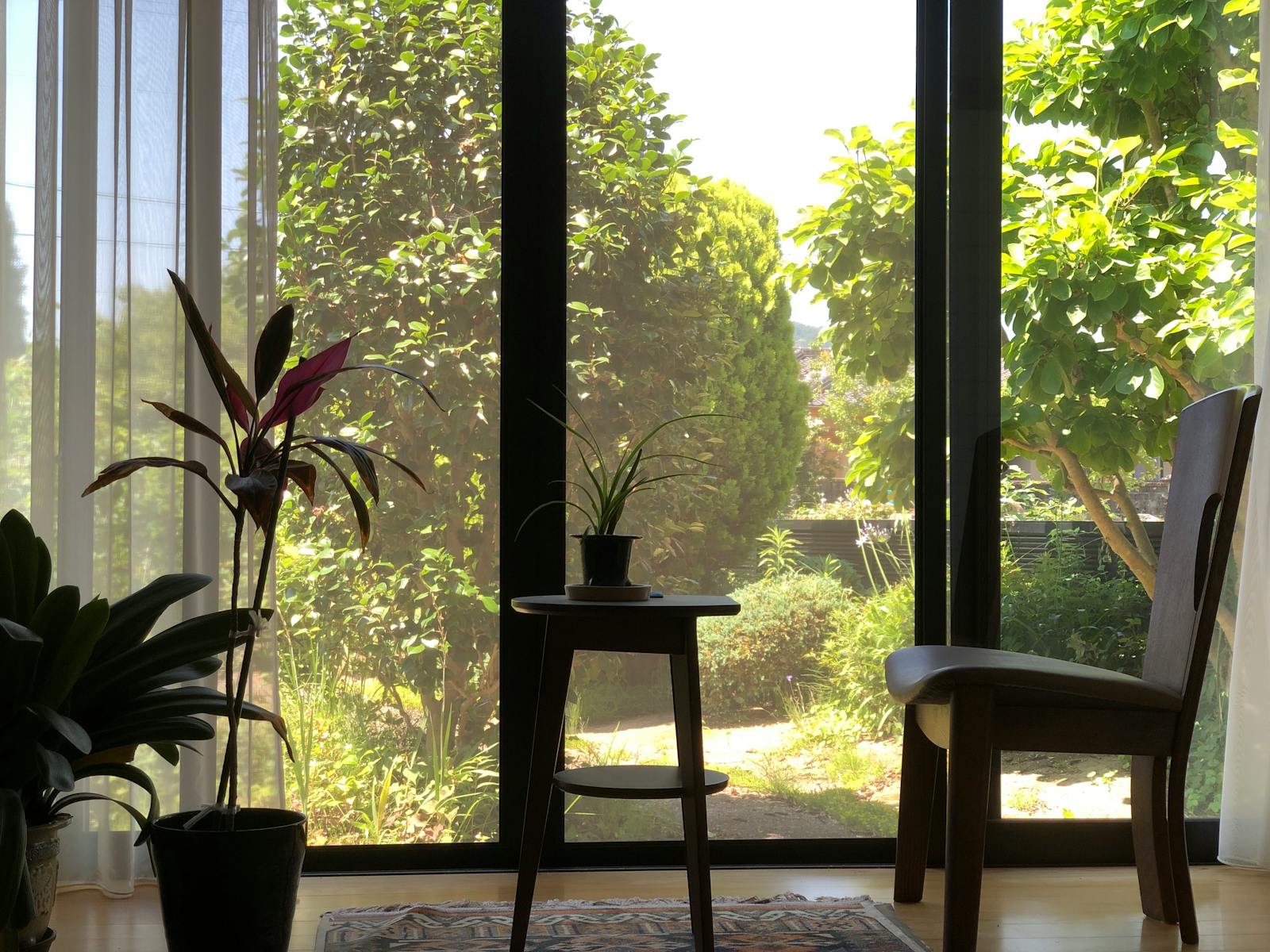
Have you ever felt the need to escape the constant buzz of daily life, even if just for a few moments? I know I have. Creating a personal sanctuary at home is about crafting such a haven—a dedicated space where you can unwind, practice mindfulness, and rejuvenate your spirit.
Whether you live in a spacious house or a cosy apartment, transforming a part of your home into a peaceful sanctuary is both achievable and rewarding. With a few thoughtful touches and intentional design choices, you can design a space that not only enhances your relaxation but also supports your overall well-being.
Let’s explore a step-by-step guide to create your own personal sanctuary, turning your living space into a tranquil oasis that nurtures your mind and soul.
Step 1: Choose the Perfect Space for Your Sanctuary
The first step in designing your personal sanctuary is selecting the right location. Ideally, you want a space that is quiet, free from distractions, and away from the hustle and bustle of daily life. This could be a spare room, a corner of your living room, or even an outdoor space.
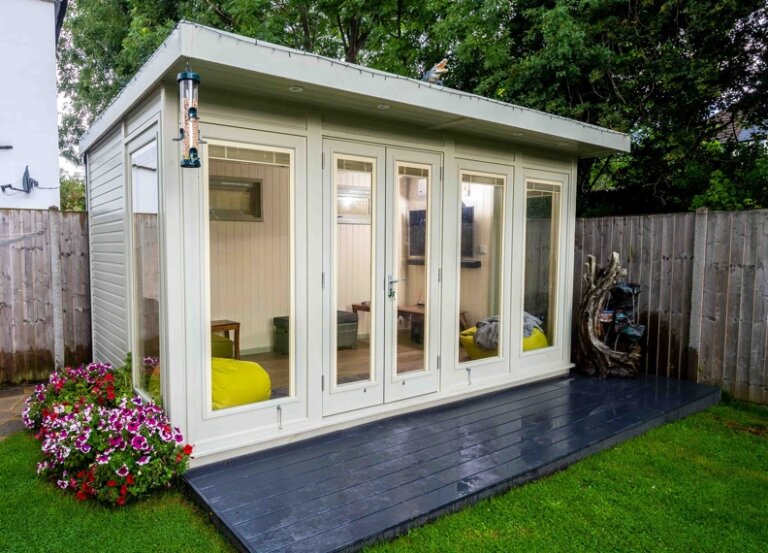
Outdoor spaces, in particular, offer an ideal environment for a sanctuary because they allow you to connect with nature and enjoy fresh air. By stepping into an outdoor area, you can instantly disconnect from household responsibilities and enter a peaceful retreat.
Step 2: Incorporate Natural Elements for a Calming Atmosphere
Nature has a powerful impact on mental health. Research shows that spending time in nature or simply having access to natural elements can reduce anxiety, depression, and stress. You can bring nature indoors by incorporating:
- Plants: Add potted plants or a small indoor garden to purify the air and bring a touch of greenery.
- Natural Materials: Use furniture and decor made from wood, stone, or bamboo to create a harmonious environment.
- Natural Light: Choose a space with large windows that provide a view of your garden or outdoor area. If natural light is limited, consider using full-spectrum lighting to mimic sunlight.
Even small touches, like placing potted plants around the room or using organic materials for furniture and decor, can create a calming atmosphere.
Step 3: Focus on Comfort and Functionality
Your personal sanctuary should be a place where you feel comfortable and at ease. Invest in soft furnishings like cushions, throws, and rugs to make the space cosy and inviting. A comfortable chair or daybed can provide the perfect spot for meditation, reading, or simply relaxing.
- Space for Movement: If you plan to use the room for yoga or meditation, ensure there’s enough room to move around freely.
- Essential Items: Include a small table for candles, essential oils, or other items that help you relax.
- Storage Solutions: Use shelves or baskets to keep the space organised and clutter-free.
Step 4: Embrace Minimalism to Reduce Clutter and Stress
Clutter can be overwhelming and contribute to feelings of stress and anxiety. When designing your personal sanctuary, focus on creating a minimalist space that feels open and uncluttered. Keep furniture and decor simple, and only include items that contribute to a sense of calm and relaxation.
- Simple Decor: Choose a few meaningful pieces rather than overcrowding the space with decorations.
- Organised Storage: Implement storage solutions to keep the area tidy and free from unnecessary items.
- Open Layout: Maintain an open layout to enhance the feeling of spaciousness and tranquillity.
By removing unnecessary distractions, you can create a peaceful environment that allows you to focus on your mental well-being.
Step 5: Incorporate Soothing Scents and Sounds
Scents and sounds can have a powerful effect on your mood. Consider incorporating aromatherapy into your sanctuary by using essential oils or scented candles. Lavender, chamomile, and eucalyptus are known for their calming properties and can help reduce stress and anxiety.
You can add a small fountain, wind chimes, or a playlist of calming nature sounds to enhance the atmosphere. Ensure that your sanctuary remains a quiet space by minimising background noise and distractions.
By integrating soothing scents and gentle sounds, you can further enhance the tranquillity of your personal sanctuary, making it a perfect place to relax and unwind.
Conclusion
Designing a personal sanctuary at home doesn’t have to be complicated or expensive. By choosing the perfect space, incorporating natural elements, focusing on comfort, embracing minimalism, and adding soothing scents and sounds, you can create a peaceful retreat that supports your mental health. Whether you’re meditating, practising yoga, or simply unwinding after a long day, your sanctuary can provide a haven for relaxation and rejuvenation.


